

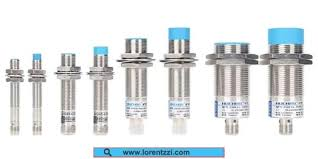
These refer to transistor types used in sensors and devices — especially in automation and PLC systems.
| Type | Also Known As | Switching Side | Output Signal | Common Use |
|---|---|---|---|---|
| PNP | Sourcing | Switches positive | Sends +24V when active | Common in Europe |
| NPN | Sinking | Switches negative | Sends 0V (ground) when active | Common in Asia |
🧭 3-Wire Sensor Configuration
Most industrial sensors use three wires:
- Brown → Power supply +24V
- Blue → Power supply 0V (Ground)
- Black → Signal output to the load (PLC input, relay, etc.)
🟡 PNP Wiring (Sourcing)
- Brown → +24V
- Blue → 0V
- Black → Connects to load, which is grounded
- When active: Black wire sends +24V to the load
⚫ NPN Wiring (Sinking)
- Brown → +24V
- Blue → 0V
- Black → Connects to load, which is powered
- When active: Black wire sends 0V to the load
🧠 Easy Way to Remember
PNP = Positive Now Provided
NPN = Negative Pulse Needed
Or think of it like this:
- PNP switches the positive side of the circuit.
- NPN switches the negative side of the circuit.
If you’re wiring sensors into a PLC or control panel, matching the sensor type to the input module (sourcing vs. sinking) is critical. Want me to sketch a wiring diagram for your page to show both configurations side-by-side? It could be a great visual aid for your clients or trainees.