

Introduction
Money isn’t everything, but in the workplace, it often feels like the center of everything. Paychecks are more than just numbers—they’re a reflection of how much a company values its people. In more than a decade of experience as a marine electrician, I’ve seen the good, the bad, and the ugly when it comes to salary differences between employees.
What I’ve noticed is this: when workers feel underpaid compared to others, frustration starts brewing. It doesn’t stay quiet for long—it spills into conversations, affects teamwork, and sometimes creates conflicts that can derail productivity. This blog explores the roots of salary differences, their impact, and how both employees and employers can navigate these rough waters.
A Personal Experience with Pay Disputes
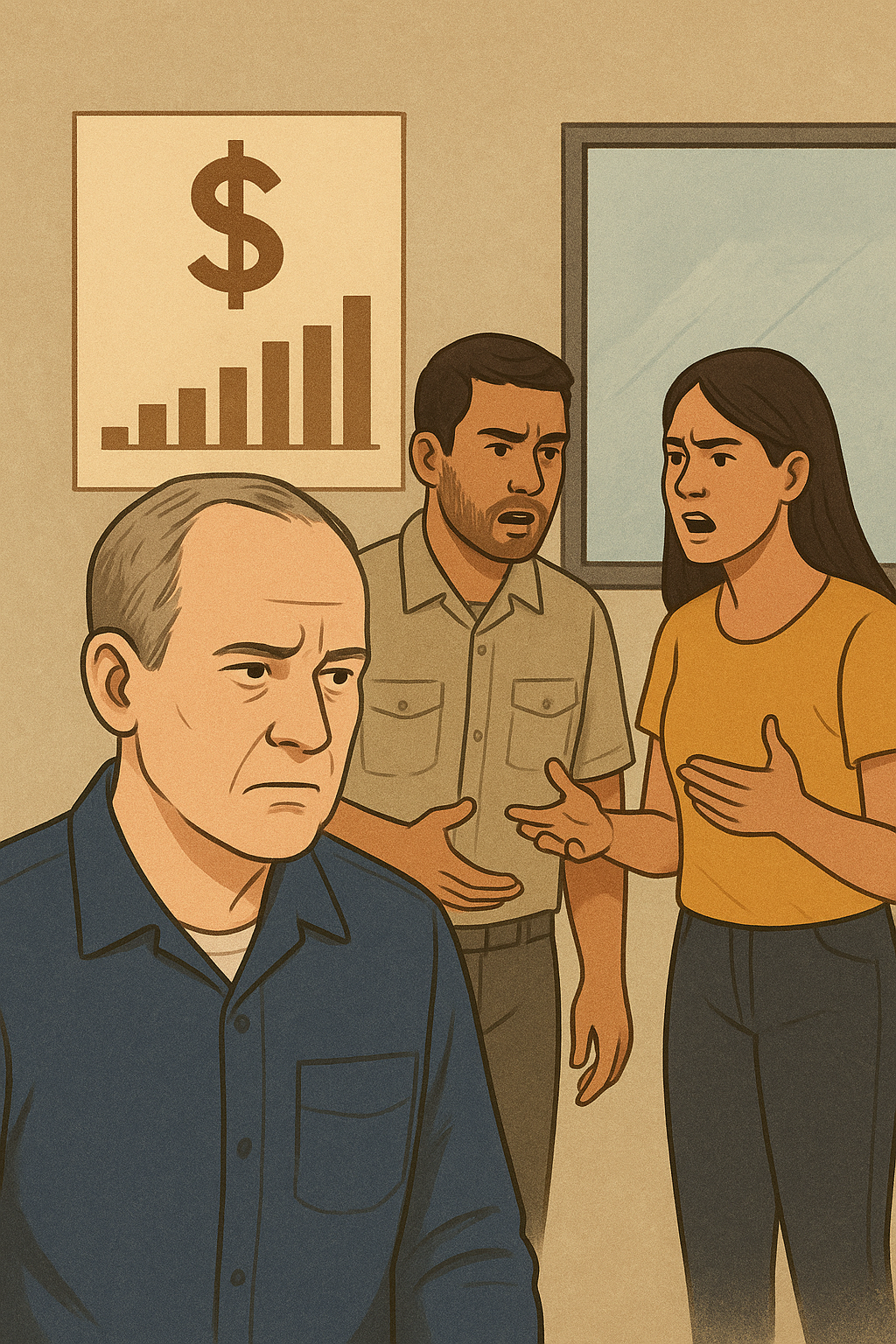
Not too long ago, I worked on a marine project where tensions ran high among the crew. We had electricians, technicians, and engineers—each with different levels of experience and education. One day during lunch, a few coworkers started complaining that they were earning less than others despite having more years on the job.
One of them said:
“I’ve been here for seven years, and this new guy, fresh out of school, is making almost as much as me. How’s that fair?”
Another chimed in:
“I’ve got certifications and I’ve put in the time, but my pay doesn’t reflect it. Honestly, it feels like they don’t care.”
I stayed quiet, but inside, I understood their frustration. I’ve been in that position too—where your effort doesn’t feel matched by your paycheck. In those moments, you realize salary isn’t just about money—it’s about respect and recognition.
Why Salary Differences Exist
Salary differences are nothing new. They happen in every industry, but they’re especially visible in trades like ours, where skill levels vary greatly. Here are some common reasons why pay gaps exist:
- Experience & Skills – More years on the job often mean higher pay, but not always. Sometimes, companies value specific technical skills over general experience.
- Education & Certifications – A worker with specialized licenses or training may earn more, even if they’re newer.
- Negotiation Power – Some employees simply negotiate better when they’re hired.
- Company Budgets & Policies – Employers sometimes freeze wages or set pay bands, leaving long-time employees earning less than new hires.
- Market Rates – If the industry demand is high, a company may pay newcomers more just to fill urgent positions.
The Impact on Employees
When salary differences aren’t explained or justified, they can create major problems inside a team:
- Resentment Among Workers – People start comparing checks instead of focusing on the work.
- Lower Morale – Feeling undervalued leads to disengagement.
- Decreased Productivity – Frustrated workers don’t give their best effort.
- High Turnover – Some employees simply leave for better-paying opportunities.
I’ve seen coworkers go from being motivated and hardworking to quiet and detached, just because they felt unfairly paid. That attitude spreads like wildfire—it affects everyone around them.
The Employee Perspective
From the worker’s side, the complaints usually sound like this:
- “I’ve been loyal for years. Shouldn’t that mean something?”
- “I studied, trained, and got certified. Why doesn’t my paycheck reflect it?”
- “How can a new hire come in making close to my wage?”
These aren’t just complaints about money. They’re expressions of self-worth. Employees want to feel that their experience, knowledge, and dedication matter.
The Employer Perspective
On the other hand, employers have their reasons:
- Budgets dictate what they can pay.
- Market competition sometimes forces them to offer higher starting wages.
- Performance vs. Tenure – Some companies value output over years of service.
- Business cycles – In slow times, raises are delayed.
Employers often see salaries as a balancing act between costs and keeping talent. The problem is that employees don’t always get that full picture.
Finding a Balance: How to Handle Salary Conflicts
For Employees:
- Speak Up Professionally – Don’t let frustration fester. Ask for a review.
- Show Your Value – Keep records of your contributions, achievements, and extra responsibilities.
- Keep Growing – More certifications and training can make your case stronger.
- Know Your Market Worth – Research what others in your role earn in your region.
For Employers:
- Be Transparent – Explain how pay is determined. Even if employees don’t like the answer, at least they’ll understand.
- Offer Growth Paths – Give workers a clear way to increase their earnings.
- Recognize Contributions – Sometimes recognition (bonuses, benefits, public acknowledgment) can ease frustrations.
- Review Pay Regularly – Don’t let loyal employees fall behind.
The Real Cost of Salary Inequality
Ignoring salary concerns doesn’t save money—it costs money. Disengaged employees work less efficiently. High turnover forces companies to spend more on recruitment and training. And worst of all, resentment can break down teamwork, which is the backbone of industries like marine services.
When I think back to that project where coworkers openly complained, I realize it wasn’t just about dollars—it was about trust. They didn’t trust that management valued them equally. Once that trust is gone, it’s hard to rebuild.
Conclusion
Salary differences will always exist. No two workers bring the exact same skills, experience, or circumstances. But when pay gaps aren’t managed well, they create storms in the workplace that are hard to calm.
As a marine electrician with more than a decade of experience, I’ve learned this: workers don’t just want a paycheck—they want respect, recognition, and fairness. Employers who understand this build stronger, more motivated teams. Those who ignore it risk losing the very people who keep their business afloat.
At the end of the day, it’s not just about money. It’s about making sure every worker feels valued for what they bring to the table.