

What Are Cathodes and Anodes?
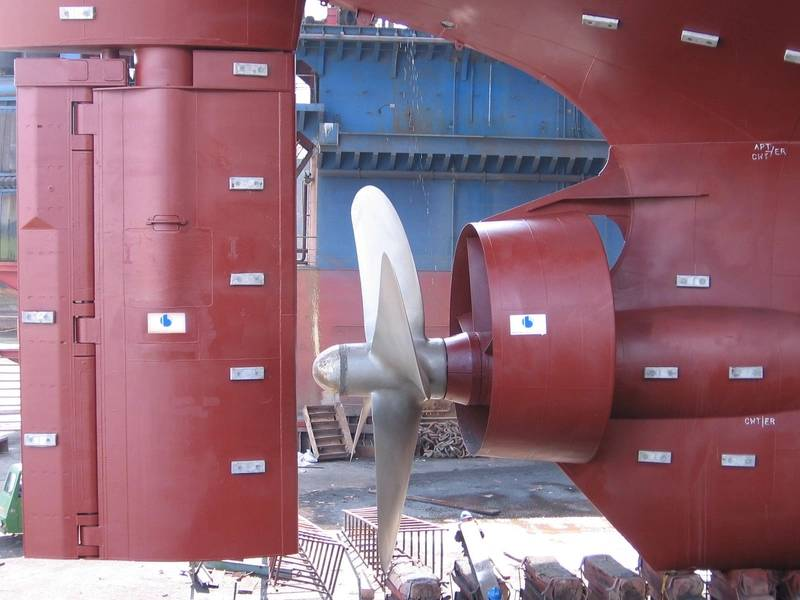
- Cathode: In electrochemical terms, the cathode is the metal surface you want to protect from corrosion. In marine applications, this is typically your boat’s hull, propeller, rudder, or other submerged metal components.
- Anode: The anode is made from a sacrificial metal like zinc, aluminum, or magnesium. It’s designed to corrode preferentially when connected electrically to the cathode, sparing the protected component from damage.
🌊 Expanded Explanation for Marine Use
Cathodic Protection in Ships
Cathodic protection works by controlling the electrochemical reaction that causes corrosion. When a metal component (like the hull or shaft) is submerged in seawater, it forms a galvanic cell with other metals nearby. This cell initiates corrosion. By strategically connecting sacrificial anodes to these components, you redirect the corrosion to the anodes instead of the key structural metals.
How It Works
When an anode and cathode are connected and immersed in water:
- The anode undergoes oxidation—releasing electrons and breaking down.
- Those electrons flow to the cathode, preventing its oxidation and thus halting corrosion.
It’s essentially “electrochemical shielding.” The anode sacrifices itself to preserve the integrity of the more valuable metal part.
🛥️ Why This Matters for Marine Electricians
You’re not just placing anodes randomly. You’re balancing electrical connectivity, surface area exposure, and environmental conditions. Things like:
- Water salinity: Saltwater demands stronger (often zinc) anodes.
- Hull material: Aluminum hulls require compatible anodes to avoid galvanic mismatch.
- Electrical bonding: All metals must be part of a unified system to ensure protection is consistent.
Regular inspection and timely replacement of anodes is crucial to maintaining the system—and ultimately, extending the life of the vessel.